🧪 TDS Sensor (SEN0244) — Total Dissolved Solids Water Quality Meter (Analog, 3.3–5V)
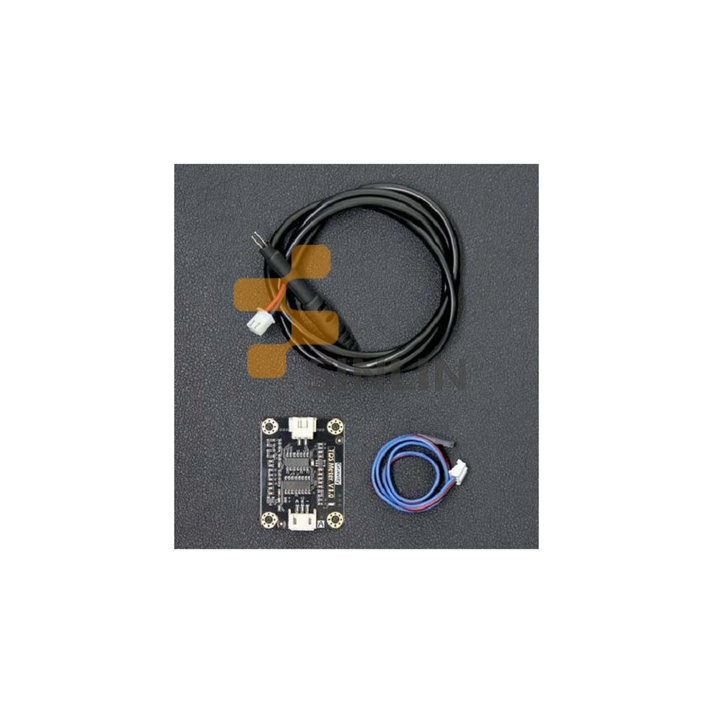
A TDS (Total Dissolved Solids) sensor module for measuring water quality. TDS indicates the total concentration of dissolved substances (minerals, salts, metals) in water — measured in parts per million (ppm). The module includes a waterproof probe and a signal board that outputs an analog voltage proportional to TDS level. Connect to the ADC pin of an ESP8266, ESP32, Arduino, or Raspberry Pi to build a smart water quality monitor for drinking water, borehole water, pool water, aquaculture, or hydroponics.
⚡ Key Features
- TDS Measurement (0–1000 ppm) — measures total dissolved solids including minerals, salts, and metals; higher ppm = more dissolved substances
- Waterproof Probe — stainless steel electrode probe on a cable; dip into water to measure, remove after reading
- Signal Board with Analog Output — converts the probe reading to an analog voltage (0–2.3V); connect to the ADC pin of your microcontroller
- 3.3V or 5V Compatible — works with both 3.3V (ESP8266/ESP32) and 5V (Arduino) systems
- Temperature Compensation — the signal board includes on-board temperature compensation for more accurate readings
-
ESPHome / Home Assistant — read the analog value with the ESPHome
adcsensor, apply a calibration lambda, and display TDS in ppm on your Home Assistant dashboard - Arduino Libraries Available — DFRobot provides example code and libraries for quick integration
🏠 Perfect For
Drinking Water Quality
Monitor municipal tap water or filtered water TDS. SA municipal water is typically 50–200 ppm. If TDS spikes above your baseline, it could indicate a supply problem or filter failure. Track trends in Home Assistant.
Borehole Water Testing
Borehole water quality varies significantly across SA. Regular TDS monitoring helps detect mineral changes, salination, or contamination trends over time. Combine with pH monitoring for a comprehensive picture.
Hydroponics & Aquaponics
TDS (often expressed as EC — electrical conductivity) is critical for nutrient solution monitoring. Track nutrient concentration and alert when levels drift outside your target range.
Pool & Spa Water
High TDS in pool water (>1500 ppm) indicates excessive dissolved minerals and chemicals that reduce sanitiser effectiveness. Monitor TDS to know when it's time for a partial water change.
📊 TDS Reference Values (South Africa)
0–50 ppm — very pure water (RO filtered, distilled)
50–200 ppm — typical SA municipal tap water (Johannesburg ~80–120 ppm)
200–500 ppm — acceptable but mineral-rich (some borehole water)
500–1000 ppm — high TDS, may taste salty or metallic; consider filtration
>1000 ppm — not recommended for drinking without treatment
📋 Technical Specifications
| Product | TDS Sensor Module (SEN0244) |
| Model | SEN0244 (DFRobot compatible) |
| TDS Range | 0–1000 ppm |
| Output | Analog voltage (0–2.3V) |
| Working Voltage | 3.3–5V DC |
| Accuracy | ±10% (25°C) |
| Temperature Compensation | Built-in on signal board |
| Probe | Waterproof stainless steel electrodes with cable |
| Interface | Analog (ADC pin) |
| Compatible With | ESP8266 · ESP32 · Arduino · Raspberry Pi · ESPHome · Home Assistant |
| In the Box | 1 × TDS probe (with cable) · 1 × Signal board |
🔗 Pair With
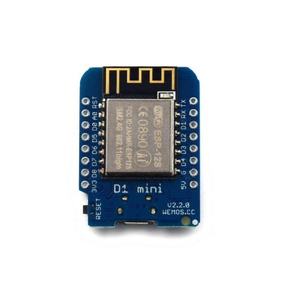
D1 Mini
Connect the TDS signal board to the A0 analog pin. Read TDS values via ESPHome and display on your Home Assistant water quality dashboard.
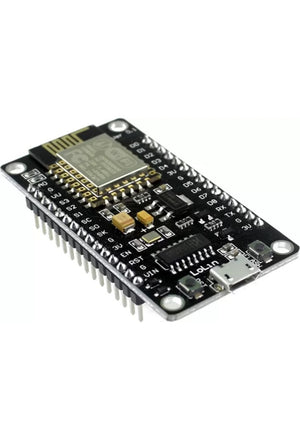
View Product →NodeMCU ESP8266
Larger board with breadboard-friendly layout. Ideal for prototyping multi-sensor water quality stations (TDS + temp + flow).
View Product →❓ Frequently Asked Questions
What does TDS actually measure?
Can I leave the probe in water permanently?
Can I use this with the ESP8266 (D1 Mini / NodeMCU)?
Is TDS the same as EC?
🤝 Need Help? We're Here for You!
Visit Us
8 Wildebraam Street
Weltevreden Park, Roodepoort
Gauteng, 1709
Test Your Water Quality 🧪
Smart TDS monitoring for borehole, tap, pool, and hydroponic water.